Gemma Williams-Knibb
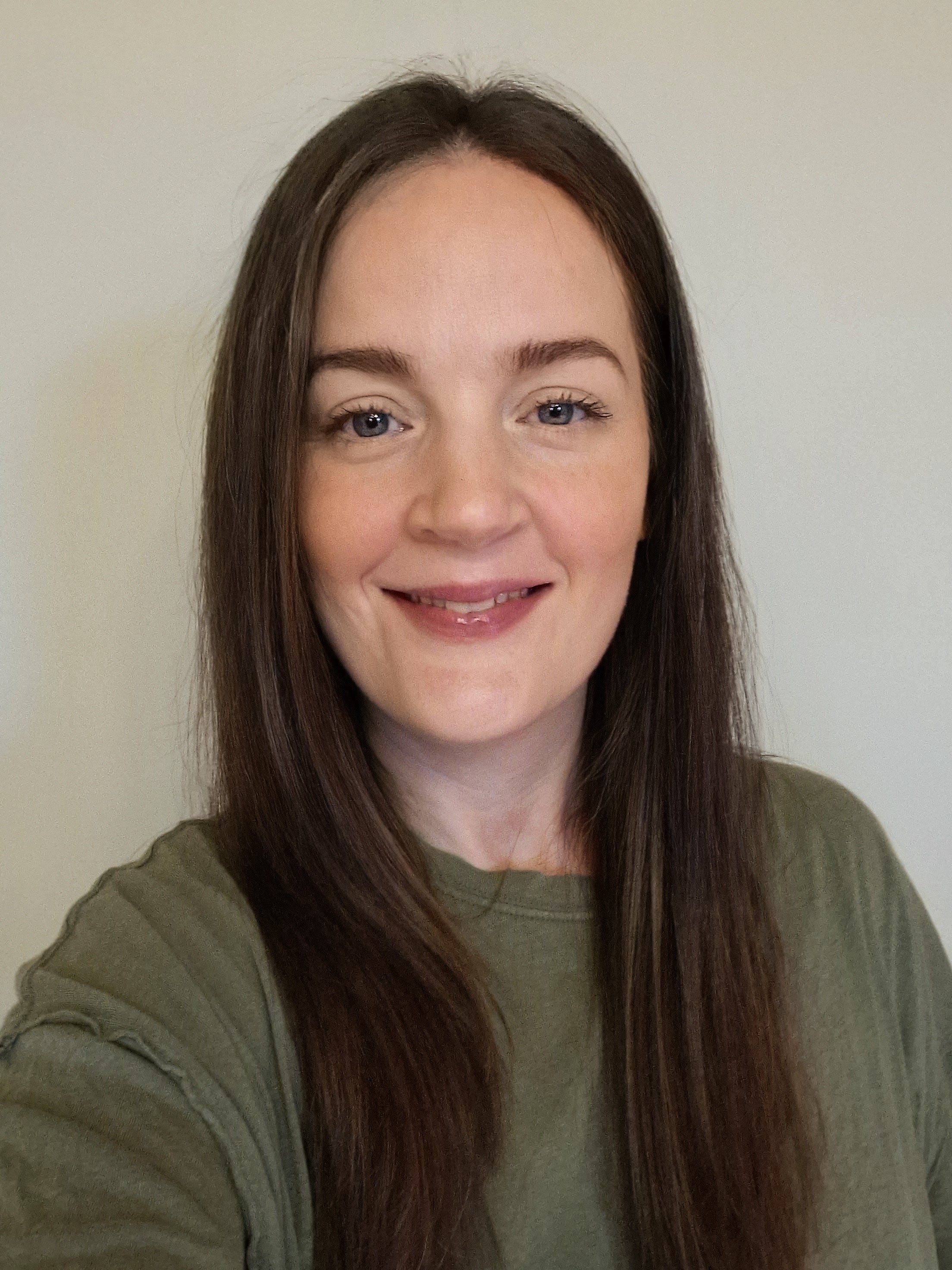
I'm Gemma, I specialise in the treatment of Chronic Depression using Cognitive Behavioural Analysis System of Psychotherapy (CBASP)
I am an accredited Cognitive Behavioural (CBT) Therapist with the British Association for Cognitive and Behavioural Psychotherapies (BABCP), Certified Cognitive Behavioural Analysis System of Psychotherapy (CBASP) Therapist and Clinical Supervisor based in Manchester.
I have worked in the field of mental health for over 20 years, with over 15 years experience as an Accredited CBT Therapist and over 9 years experience as a Certified CBASP Therapist. I am a trained clinical supervisor and have provided clinical supervision for trainee and qualified psychotherapists of various modalities throughout my career.
I completed my CBT training with the University of Manchester, CBASP Training with the University of Dundee and Clinical Supervisor Training with the University of Chester. I have also studied theoretical and applied psychology at the University of Sheffield and University of Liverpool; and Advanced Practice Interventions for Mental Health with the University of Manchester.
I am a fully accredited psychotherapist with the British Association for Cognitive and Behavioural Psychotherapies (BABCP). I am actively involved with the BABCP and spent many years as the Vice Chair of the Manchester Branch. I now spend my time with the BABCP as part of the CBASP special interest group.
I currently provide psychological therapy to adults, clinical supervision to trainee Cognitive Behavioural Therapists with the University of Manchester and clinical supervision to qualified psychotherapists. I have availability to offer psychological therapy to adults and clinical supervision appointments to trainee/qualified psychotherapists face to face in Manchester or remotely across the UK.
Please do get in touch to arrange a free 15 minute consultation to speak with me about the psychological therapy or clinical supervision I offer to see if we could work together, I'd love to hear from you.
Cognitive Behavioural Analysis System of Psychotherapy (CBASP) for Chronic Depression
Chronic Depression
Chronic Depression (sometimes referred to as Dysthymia, Recurrent Depression, Treatment Resistant Depression or High Functioning Depression) is a term used to describe those of us who experience long standing problems with our mood.
Chronic Depression is characterised by feeling low in mood and/or empty. With Chronic Depression we also experience high levels of self doubt and self criticism. We often feel exhausted and have difficulties sleeping. Our concentration is terrible and we only experience small amounts of pleasure in life, if any at all. We also can have intense feelings of anger and irritability which are sometimes misunderstood as a problem with “anger management” rather than an expression of chronic sadness.
Chronic Depression is very different to a “Depressive Episode” which most people consider when the word “Depression” is mentioned. A Depressive Episode can be diagnosed after two weeks of symptoms and is an isolated experience of sadness that usually follows a clear objectively distressing trigger like a job loss. A Depressive Episode responds very well to self help interventions, behavioural change like increasing activity levels, or addressing the initial trigger such as finding a new job.
With Chronic Depression the sadness, emptiness or anger is evident for a minimum of two years and it's really common to be unable to remember a time without these experiences. Chronic Depression doesn’t always have one clear trigger but difficult circumstances can exacerbate existing symptoms further. Those of us with Chronic Depression tend to find little benefit from self help interventions or behavioural change such as increasing exercise. Some of us will objectively have “everything”, a great job, a loving family, friends, stable finances and a nice home. Chronic Depression is not about our external life but about how we relate to ourselves and others.
The Theory
CBASP is a highly specialised and innovative subtype of Cognitive Behavioural Therapy designed specifically to treat Chronic Depression; especially for those of us who have tried traditional talking therapies and have experienced no benefit.
CBASP is an integrative therapy which draws upon Cognitive, Behavioural, and Psychodynamic therapeutic principles.
Unlike traditional Cognitive Behavioural Therapy which focuses purely on thoughts and behaviours, CBASP considers symptoms associated with Chronic Depression as a consequence of long standing difficulties with relationships.
CBASP suggests that early interpersonal trauma or difficult relationships (such as problematic relationships with parents/siblings/friends/teachers/ organisations, childhood abuse, childhood neglect, parentification, bullying from others, criticism from others, isolation from others) unfairly shape our understanding of ourselves and others.
From these early relationships we learn how to relate to ourselves/others. As we grow we repeat these learned relational patterns, but because they were unhelpful they lead us to feel in a state of disconnect and experience the symptoms associated with Chronic Depression.
CBASP suggests that in order to improve symptoms associated with Chronic Depression problematic relationship patterns need to be identified and remedied.
The Therapy
CBASP sessions start with an extended assessment focused on understanding your early relationships and how these experiences may have contributed to how you relate to yourself, how you relate to others and your experience of Chronic Depression.
Some of us with Chronic Depression are clear that our early relationships have contributed to our current difficulties. However, many of us have never considered our difficulties from this angle or consider our early life as impactful. CBASP sessions support you to reflect in depth on your early relationships and the messages you were taught about yourself and others from these relationships.
Following our assessment together, when you think we have discussed your early life enough, I write you a letter summarising what we have spoken about and outlining a personalised treatment plan. This letter is not a clinical report but an active part of the therapy.
We talk through this letter together and any changes you may want to make to ensure we are both happy with the content of the letter and the therapy plan before we proceed with treatment.
We regularly review our therapy plan together throughout future sessions and make changes to the plan as we both move forward together.
Treatment plans are different for each person as we all have a unique relationship with ourselves and others, and a unique experience of Chronic Depressive symptoms. However the plans are focused on improving how you feel about yourself, improving your relationship with others and addressing symptoms associated with Chronic Depression.
Treatment plans can also include addressing symptoms not typically associated with Chronic Depression but that are distressing to you including but not limited to flashbacks, nightmares, intrusive thoughts, obsessive behaviours, phobic responses, anxiety and worry as often comorbid difficulties can occur along side Chronic Depression all of which I am formally trained to treat.
Frequently Asked Questions
-
As it is common for us to experience multiple mental health difficulties at the same time I also provide evidence based cognitive behavioural treatments and clinical supervision for Depression, Post Natal Depression, Post Traumatic Stress Disorder, Complex Post Traumatic Stress Disorder, Traumatic Grief, Generalised Anxiety Disorder, Obsessive Compulsive Disorder, Habit Disorders (Trichotillomania, Dermatillomania) Body Dismorphic Disorder, Social Anxiety Disorder, Illness Anxiety Disorder, and Specific Phobias.
Further information about the Post Traumatic Stress Disorder/Complex Post Traumatic Stress Disorder treatment I offer can be found on the website please contact me to discuss any other treatments I offer
-
Yes, I offer remote appointments and face to face appointments
Clinic Locations
Spinningfields Central Manchester.
The Hadley Clinic, 1st Floor, 64 Bridge Street, Manchester, M3 3BN.
Prestwich (North Manchester suburb)
Sanctuary Therapy Centre, Oakhill Court, 171 Bury New Road, Prestwich, M25
-
50 minute therapy session- £95
90 minute therapy session- £140
Details about clinical supervision fees can be found on the clinical supervision section
Start your CBASP journey
Complete the form below to access a free 15 minute telephone consultation.
Once you complete the form I will send you a reply by email and arrange a time that is convenient for you to speak with me by telephone.
During this call I will answer any questions you have and we will talk about your experiences so we can consider together if we could be a good fit.
There is no obligation to access any appointments with me after the initial email or telephone call.
I understand that sometimes it takes us a few times of reaching out and having conversations before we are actually ready to start therapy.
Please be aware that I am not a crisis service, should you require any immediate support please contact your GP or Local Accident and Emergency Department, UK residents can call 111 for immediate mental health support or 999 for any emergency.

Trauma Focused Cognitive Behavioural Therapy
Post Traumatic Stress Disorder and Complex Post Traumatic Stress Disorder
Post traumatic stress disorder can occur after we have experienced an extremely threatening or overwhelming event or series of events. These events can be interpersonal in nature, such as childhood abuse or domestic violence, occur within high risk occupations like the police force and military or follow single isolated experiences (e.g. a road traffic accident or an assault).
When we experience symptoms of post traumatic stress disorder our brain hasn’t been unable to process the magnitude of what has happened to us, because it shouldn’t have happened to us.
As a result we lose all concept of time, many of us will feel like our traumatic experience happened days or even hours ago when in reality they happened years in our past. We often find ourselves thinking about the event when we don’t want to, we may experience vivid images, moving pictures, film like replays or dreams of our experiences. We feel haunted. We are constantly aware of danger, are unable to relax, and can even find ourselves jumping/flinching when we hear loud noises. We are often irritable and feel disconnected from others. In some cases our experience can have a pervasive impact on our relationships and we are constantly (and out of our awareness) drawn into unhelpful or damaging relationships. We may experience intense emotions that we cannot control and feel in a constant state of emotional chaos.
Trauma Focused Cognitive Behavioural Therapy
Trauma focused cognitive behavioural therapy (TF-CBT) is a specialised therapy which focuses on supporting you to process your memories of the traumatic experience/s, eliminate flashbacks/intrusive memories/dreams, reduce your sense of current threat, and improve your relationship with yourself and others.
TF-CBT is a complex intervention that should only be offered by a psychotherapist suitably qualified in the model. I completed my initial TF-CBT training with the University of Manchester in 2010 and have since completed numerous additional training courses on the topic of TF-CBT, Post Traumatic Stress Disorder and Complex Post Traumatic Stress Disorder. I have practice TF-CBT for over 15 years, working with hundreds of people who have experienced a plethora of different traumas. I now supervise qualified CBT therapists who practice TF-CBT as well as supervising Trainee Cognitive Behavioural Therapists attending the University of Manchester.
Arrange a free 15 minute consultation
Just include your email and I’ll get back to you; if you choose not to reply, that’s absolutely okay.